The Next-Gen Company Restaurant: Great Food Isn’t Enough Without Data-Driven Service & Flow
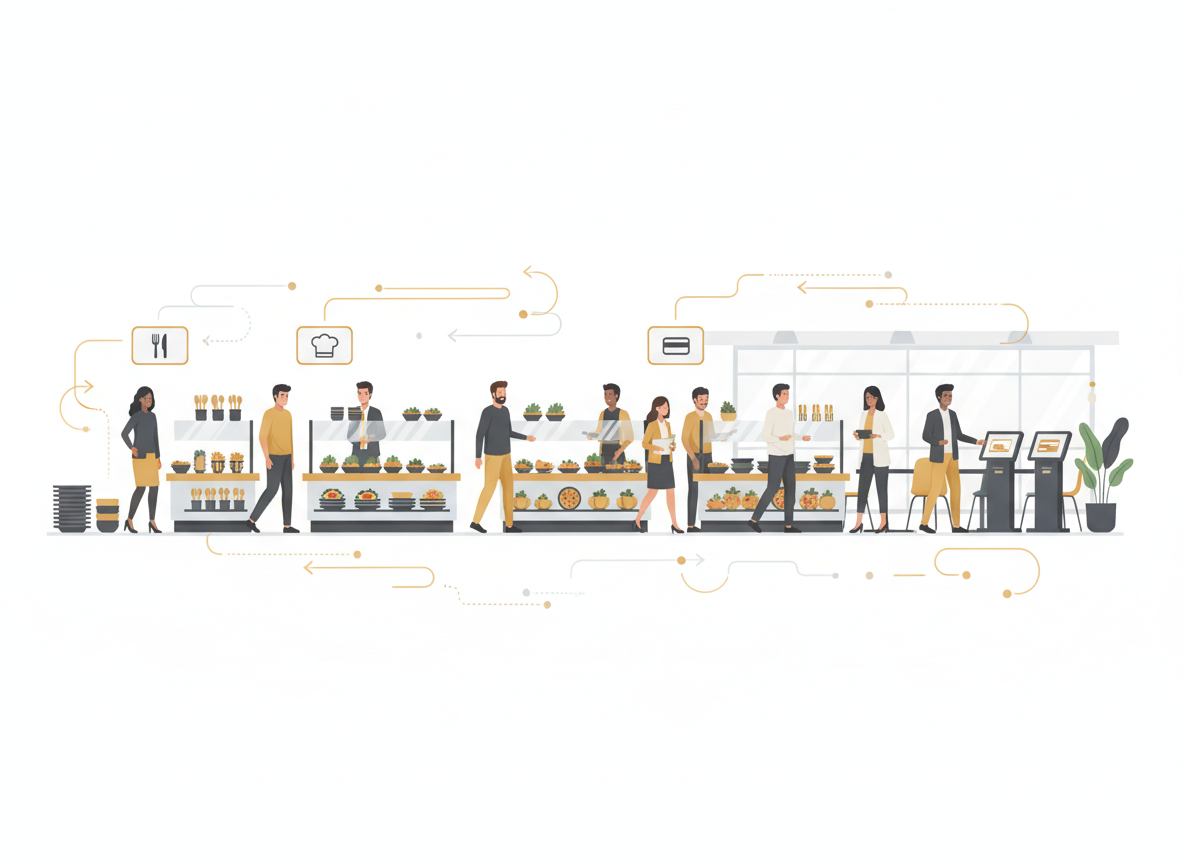
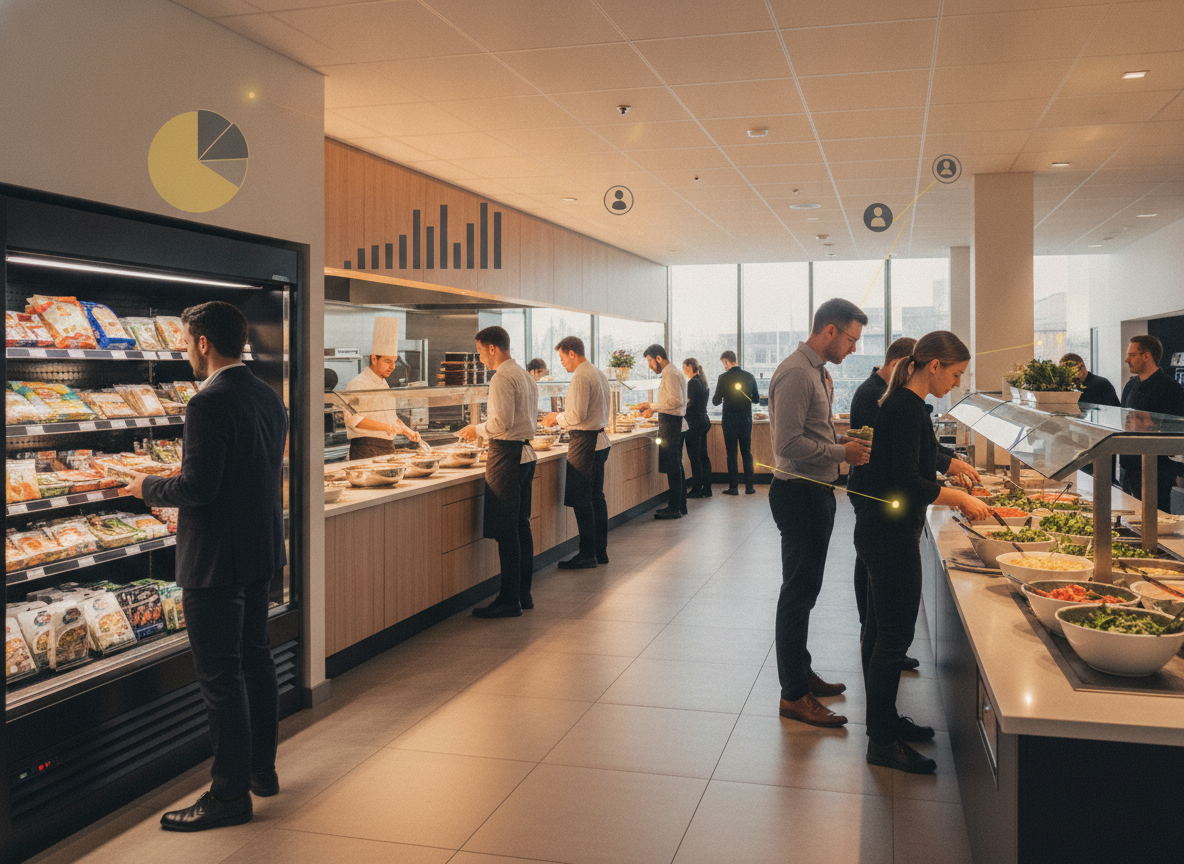
Walk into many company restaurants and you’ll see serious investment: modern interiors, better ingredients, motivated teams, and a clear ambition to improve employee experience. And yet, too often, the daily lunch rush still feels like a stress test nobody prepared for. Not because the food is bad. Not because the people don’t care. It happens because the experience system is broken. The next generation of company restaurants won’t be defined by who has the best menu. They’ll be defined by who delivers the best service and the smoothest employee experience—consistently—because they’ve designed the operation around data.
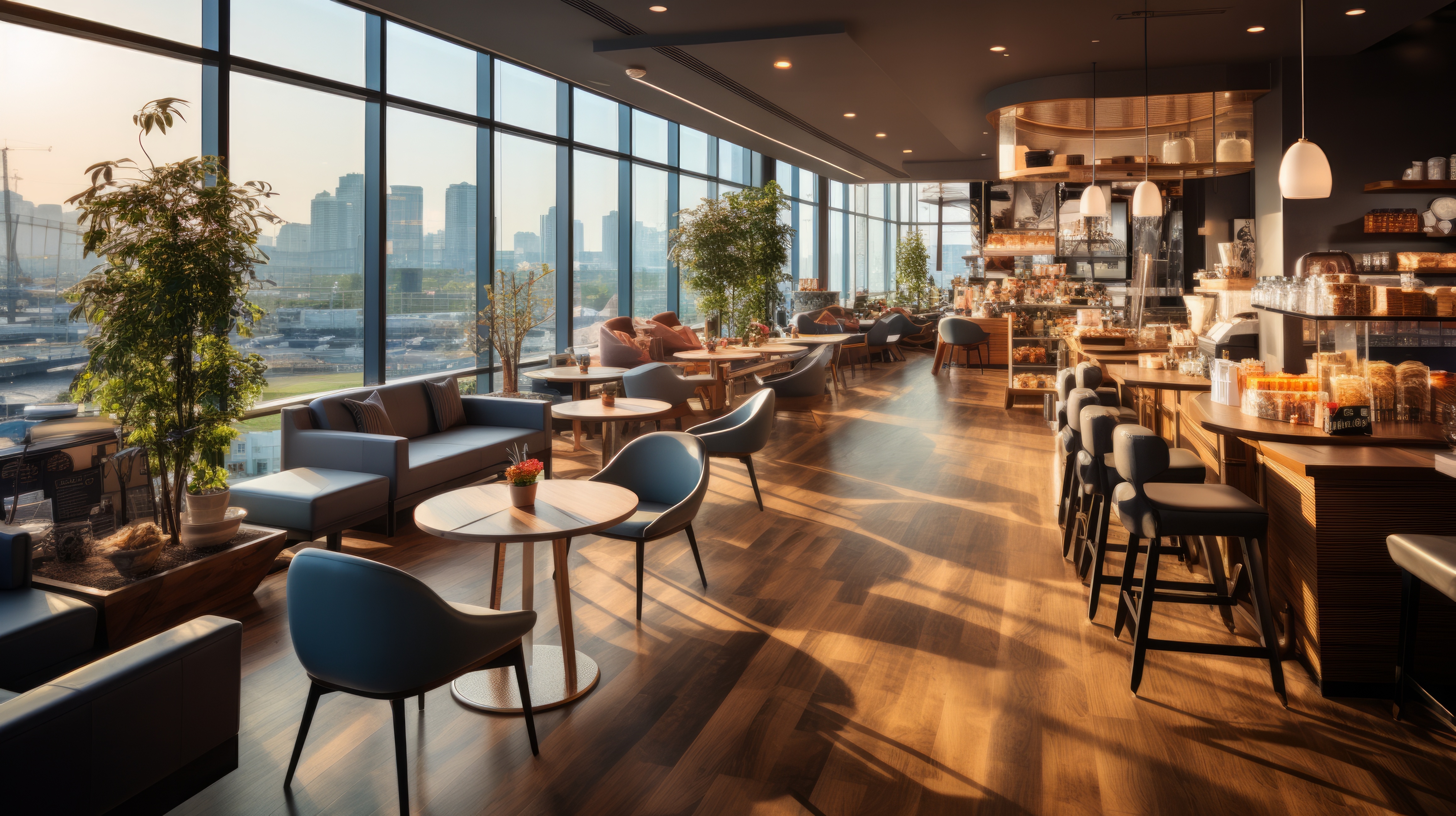
The Formula 1 problem: talent can’t overcome a bad setup
A world-class Formula 1 driver can’t win with a poor car, a messy back office team, and no telemetry.
Workplace catering is the same.
You can have:
Great food
A motivated, friendly service team
A subsidised offer that should be a win for everyone
A company that genuinely wants to take care of its people
…but if the “car” is wrong—bad flow, weak back office processes, no visibility—you’re setting everyone up for failure.
When the setup is optimal, the human side shines. When it’s not, even the best teams spend their day firefighting.
Where great workplace restaurants quietly lose: flow, congestion, and friction
I’ve seen many beautiful company restaurants where everything looked perfect on paper, but the daily reality was predictable:
Congestion at key points (hot counter, salad bar, coffee, payment)
Long queues during peak minutes
Employees frustrated before they even reach the food
Staff stressed, rushed, and unable to create genuine hospitality
In those situations, the team can do “everything right” and still struggle to get a smile.
Because the experience isn’t failing at the plate. It’s failing in the system.
And in a workplace environment, that failure has a multiplier effect:
It impacts productivity (people lose time)
It impacts wellbeing (people feel rushed and frustrated)
It impacts culture (the lunch break stops being a reset)
The offer isn’t the offer if it doesn’t match the people
Another common issue: the food offer is good, but it’s not adapted to the real consumer profile.
Wrong quantities in the wrong places
The “right” items, but not for the dominant segments
A layout that pushes everyone into the same bottlenecks
The result is a restaurant that looks attractive, but misses the target.
And to hit the target, you need the right data.
The questions that actually matter (and require data)
If you want a lunch service that feels effortless—even when it’s crowded—you have to answer operational questions like:
What is the best flow for this space?
Where do queues form, and why?
How do we reduce congestion time?
How do we place the right offer, for the right people, in the right location?
What should be self-service vs. assisted?
How do we design the sequence of choices so the experience stays smooth?
These aren’t opinions. They’re measurable.
And they take work: observation, testing, simulations, and—mainly—data.
POS data is useful… but it’s only part of the story
Too many teams believe they can run a company restaurant by studying POS data.
POS tells you what was sold.
It does not tell you:
What employees wanted but didn’t buy
What they avoided because the area was too congested
Whether they chose an item because it was first in line
Whether they were price-driven, time-driven, or preference-driven
How layout and friction shaped the decision
Here’s a real example.
A company restaurant saw that more than 30% of consumers bought sandwiches. The client concluded: “Most of our employees are Grazers—snacking and eating on the run.”
But when we used consumer profiling (via a CaterSurvey-style approach), the story changed:
Many sandwich buyers were actually Budgeteers—the sandwich price was highly subsidised.
Others chose the sandwich because it was the first offer in the self-service line.
And a significant group avoided the rest of the offer because the walk-through was congested and unpleasant.
Same POS result. Completely different reality.
And if you act on the wrong interpretation, you’ll optimise the wrong thing.
Data doesn’t replace humans. It protects them.
This is the key point.
Data isn’t there to “automate hospitality.” The human will always be essential.
But for the human and the food to shine, the setup must be optimal.
When you don’t have the right data (and people who know how to use it), you create:
Frustrated employees
Frustrated service staff
A constant gap between effort and outcome
That’s not a motivation problem. That’s a design problem.
The new standard: design the lunch rush like a daily stress test
In a workplace environment, lunch is the ultimate daily test.
Every day, you either create:
A smooth experience that energises employees and supports the company culture
or
A daily frustration that drains people and reflects poorly on the workplace
That’s why facility managers, caterers, architects, and kitchen designers need to do their homework properly.
Not just with aesthetics.
With data.
With flow.
With simulations.
With consumer profiling.
Because the winners in the next generation of company restaurants won’t be the ones with the best food.
They’ll be the ones who make the experience feel effortless—because they built the operation to perform.
Want to pressure-test your company restaurant experience?
If you’re planning a new company restaurant, redesigning a servery, or trying to fix peak-time friction, start with the right questions:
Where does congestion really come from?
What consumer segments do you actually have?
Which choices are real preferences vs. forced decisions?
Get those answers, and suddenly your food and your people can do what they’re meant to do: create an experience employees appreciate—and a workplace can be proud of.
See your own restaurant's flow, backed by data
ALOHA CaterFlow simulates your company restaurant so you can cut queues, remove bottlenecks and get a boardroom-ready action plan in 2–3 weeks.
Get started