Insights
Flow, data & the workplace dining experience
Practical thinking for facility managers, catering executives, kitchen builders and architects who want company restaurants that run smoothly and keep people coming back.
Tender promises don’t create continuous improvement—systems do
The tender illusion: big promises, short-lived momentum I often compare the tender phase to a firework show. Imagine the organiser starts with the bouquet final: the biggest explosions, the loudest bang, the wow-moment. And then, minute by minute, the spectacle becomes smaller and smaller. At some point you’d ask yourself: why am I still staying until the end?
Read article
Why the Freeflow Was Doomed From the Beginning
For decades, workplace restaurants (then still called canteens) worked like school canteens: one line, one daily menu, one simple rhythm. It wasn’t glamorous, but it matched the reality: a captive audience, a fixed lunch window, and predictable demand. Then choice arrived. Salad bars, soups, multiple mains, desserts, coffee corners. Suddenly the old “everyone in one queue” started to feel wrong. Why should someone who only wants soup stand behind a full-tray meal? And as employees started paying a share of the meal, expectations shifted: lunch needed to feel like an experience, not a school routine.
Read more
The Next-Gen Company Restaurant: Great Food Isn’t Enough Without Data-Driven Service & Flow
Walk into many company restaurants and you’ll see serious investment: modern interiors, better ingredients, motivated teams, and a clear ambition to improve employee experience. And yet, too often, the daily lunch rush still feels like a stress test nobody prepared for. Not because the food is bad. Not because the people don’t care. It happens because the experience system is broken. The next generation of company restaurants won’t be defined by who has the best menu. They’ll be defined by who delivers the best service and the smoothest employee experience—consistently—because they’ve designed the operation around data.
Read more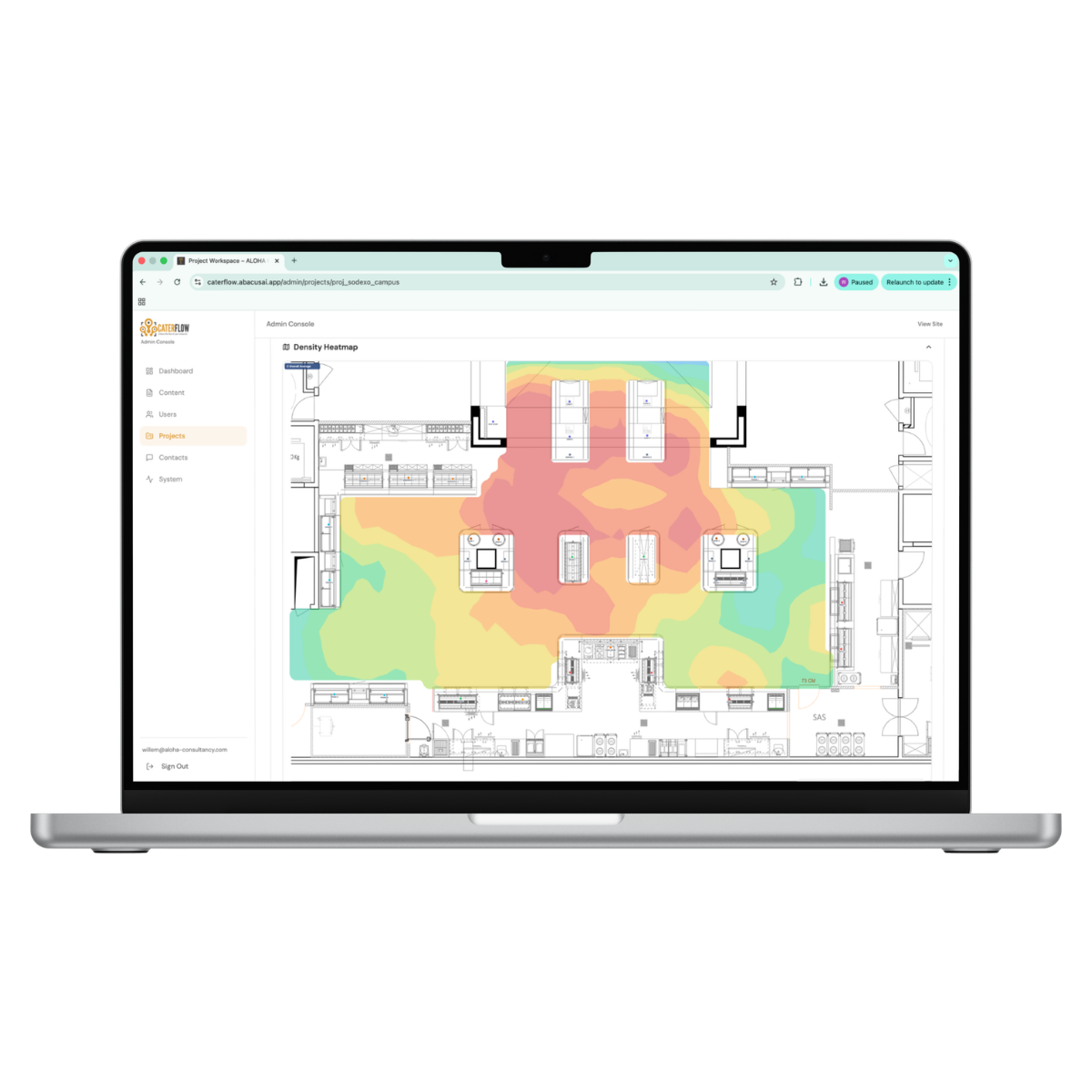
The Importance of Data When It Comes to Flow (and Why Experience Alone Isn’t Enough)
A self-service restaurant can have great food, a beautiful design, and the latest equipment… and still deliver a frustrating lunch experience. Not because the team isn’t good. Not because the concept is wrong. But because flow was treated like a detail instead of a measurable system.
Read more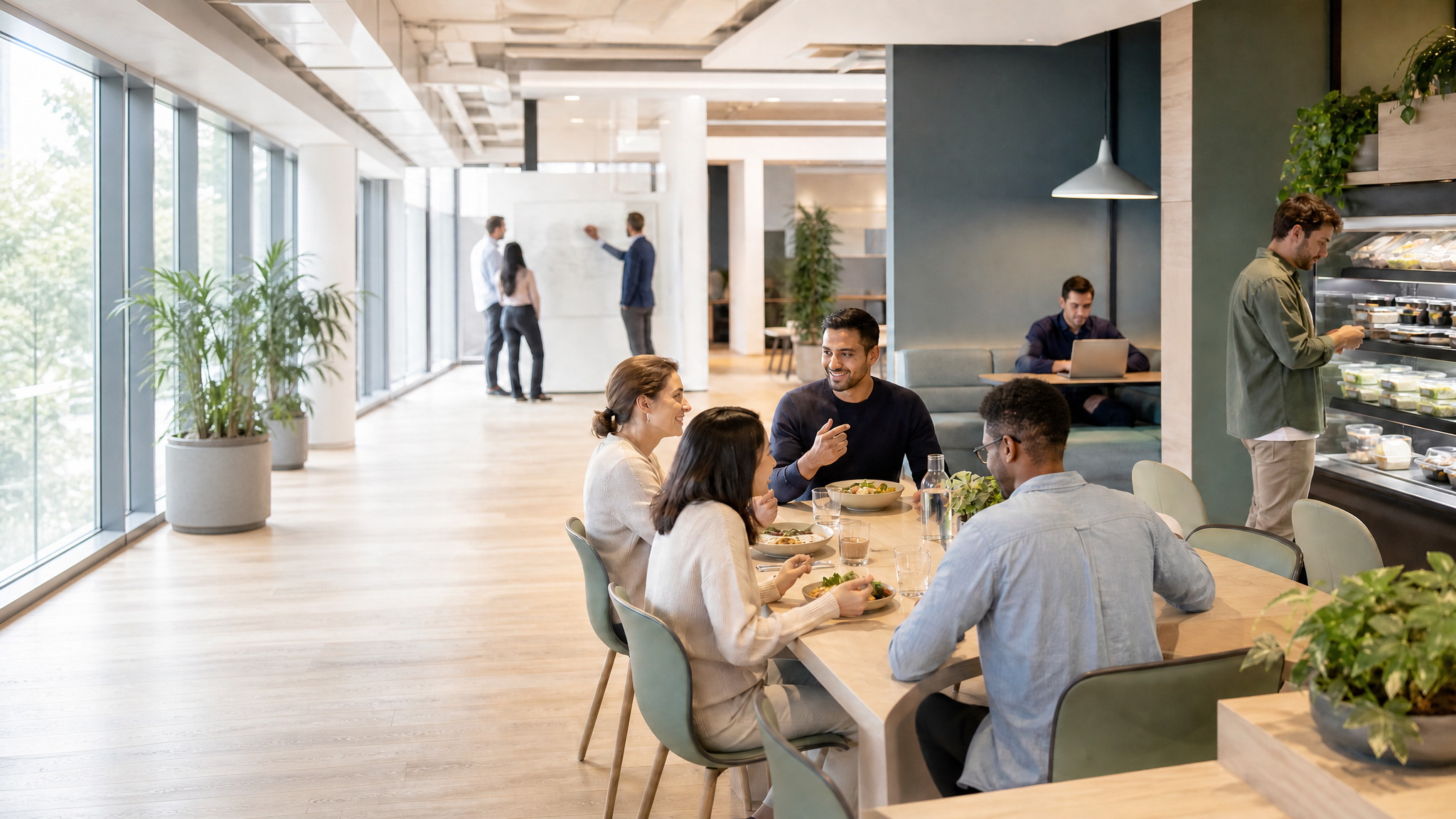
Beyond the Plate: How One Survey Reveals the Human Blueprint of Your Workplace
A workplace restaurant is much more than a place where employees eat. It is part of their daily routine, their wellbeing, their relationship with colleagues and their overall experience at work. That is why CaterSurvey is designed to go beyond standard food-service feedback. It does not only reveal whether people like the menu, consider prices fair or visit the restaurant frequently. It maps the different profiles behind employee behaviour: how people eat, communicate, respond to change, work and use their environment. The result is a rich picture of an organisation’s people—insight that can improve catering, but can also support wider projects across HR, Internal Communications, Workplace Experience and Facilities.
Read more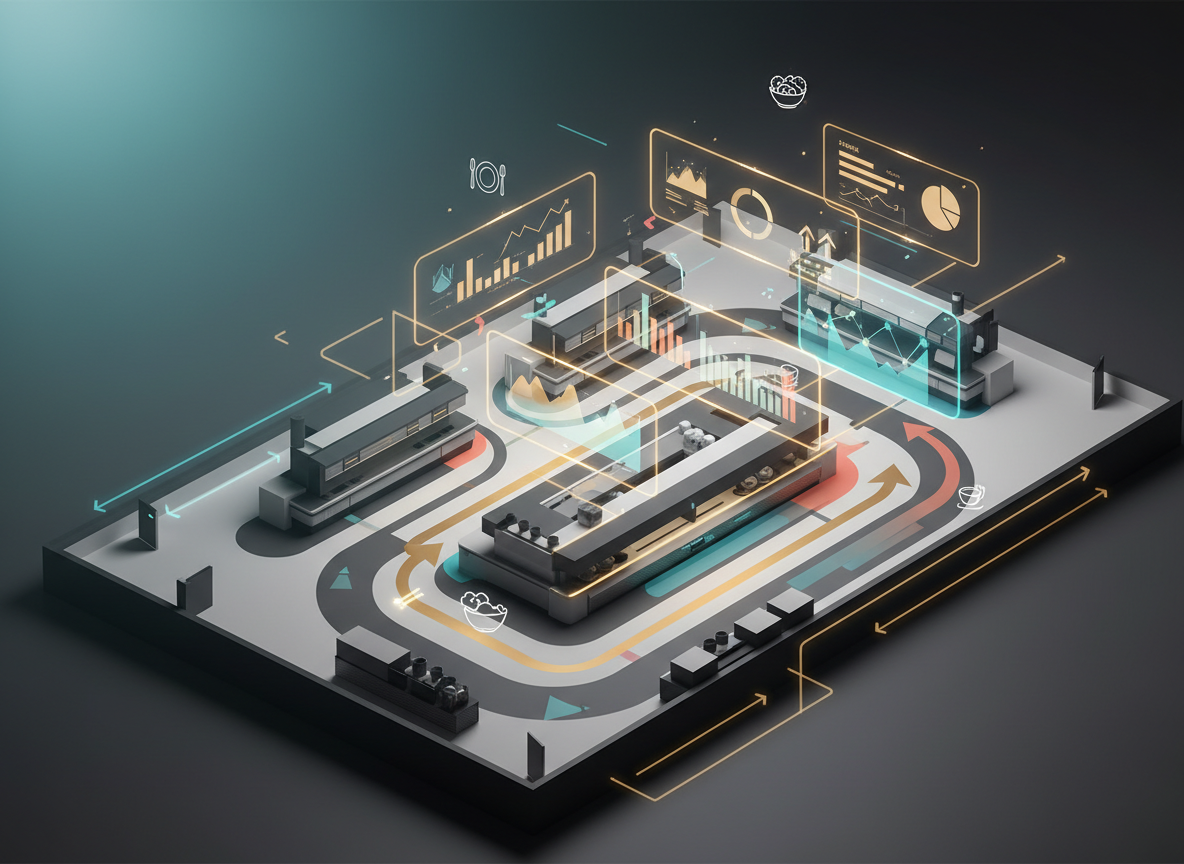
How Data Can Save You Money in Workplace Catering
Most workplace restaurants don’t lose money because the food is “bad.” They lose money because decisions are made with partial information: assumptions about what people want, rough guesses about peak moments, and reactive changes after complaints. Data changes that. When you can see demand, behaviour, and performance, you stop spending on fixes and start investing in improvements that pay back.
Read more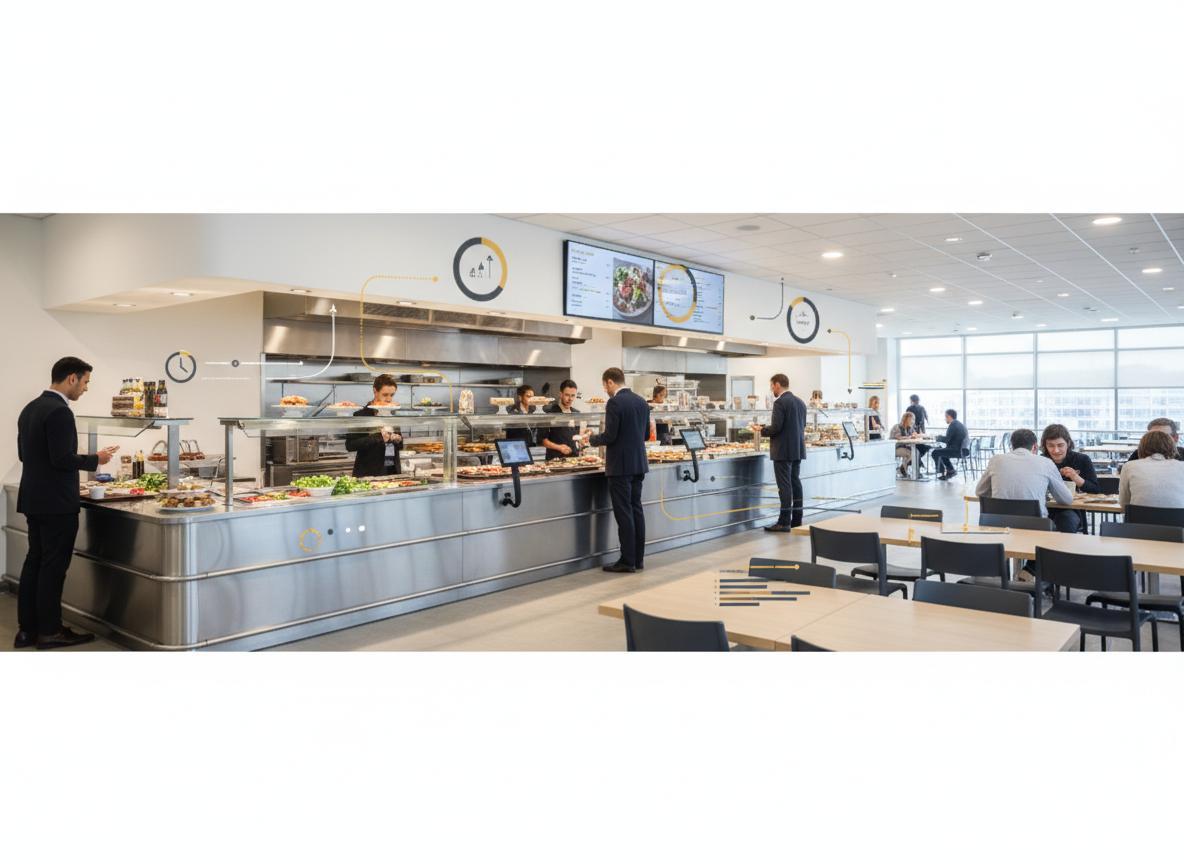
Data matters as much as the food offer
Most workplace catering conversations start with the menu: variety, freshness, price point, dietary options, and the look-and-feel of the counter. Thats logical. Food is the most visible part of the service. But leadership in workplace experience means managing whats less visible and more decisive. Because the catering user experience isnt defined by whats written in a concept note. Its defined by what happens at peak: how long people wait, how predictable the service feels, whether the space absorbs demand without stress, and whether the operation can improve week after week. In other words: the food offer is the promise. Data is the operating system that makes the promise real. If you want catering that employees trust and use and that stakeholders can justify you need to treat data as a core ingredient, not a reporting afterthought.
Read more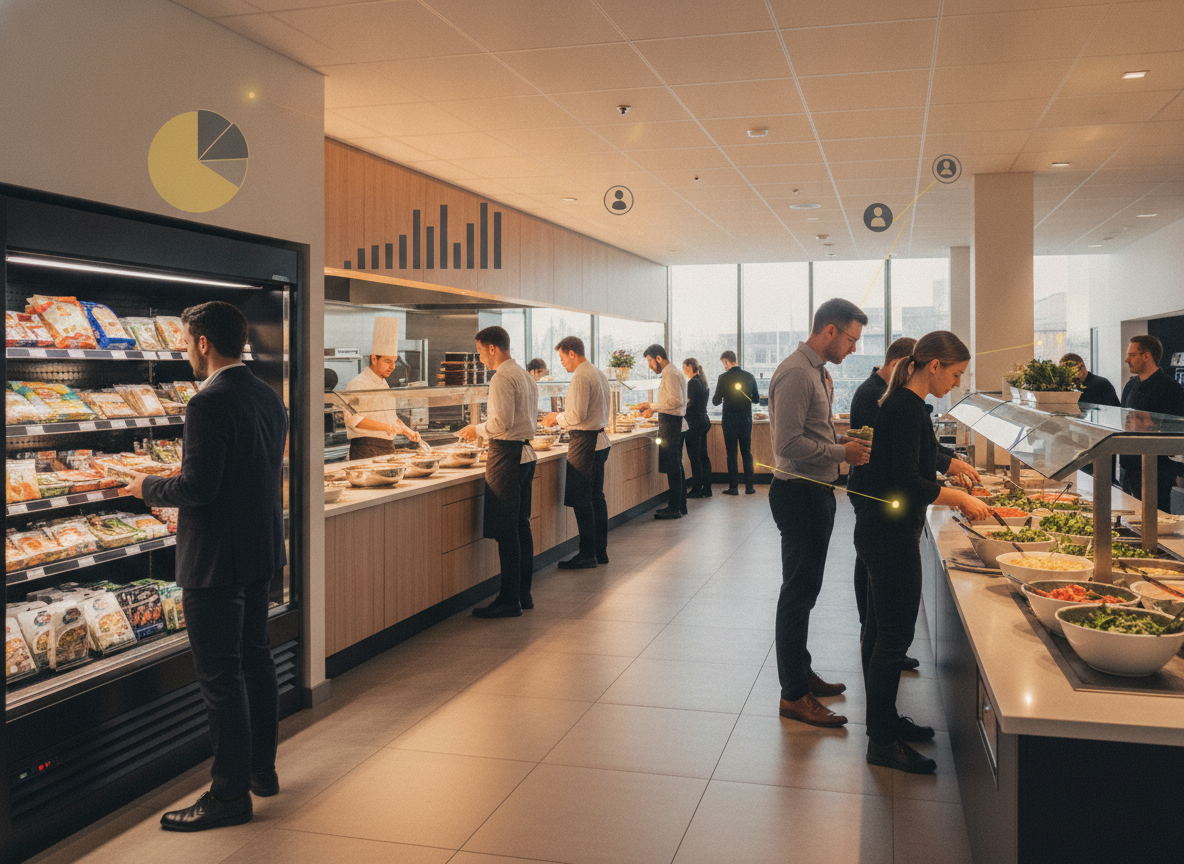
Why Knowing Your Customers Matters Even More in a Company Restaurant
In a company restaurant, you serve the same people every day—so guessing isn’t a strategy. POS data shows what sold, but not what employees truly want (or why non-users stay away). By identifying your mix of Grazers, Budgeteers, Traditionalists, and Explorers, you can shape the right offer, pricing, and communication—and drive change with far less resistance.
Read more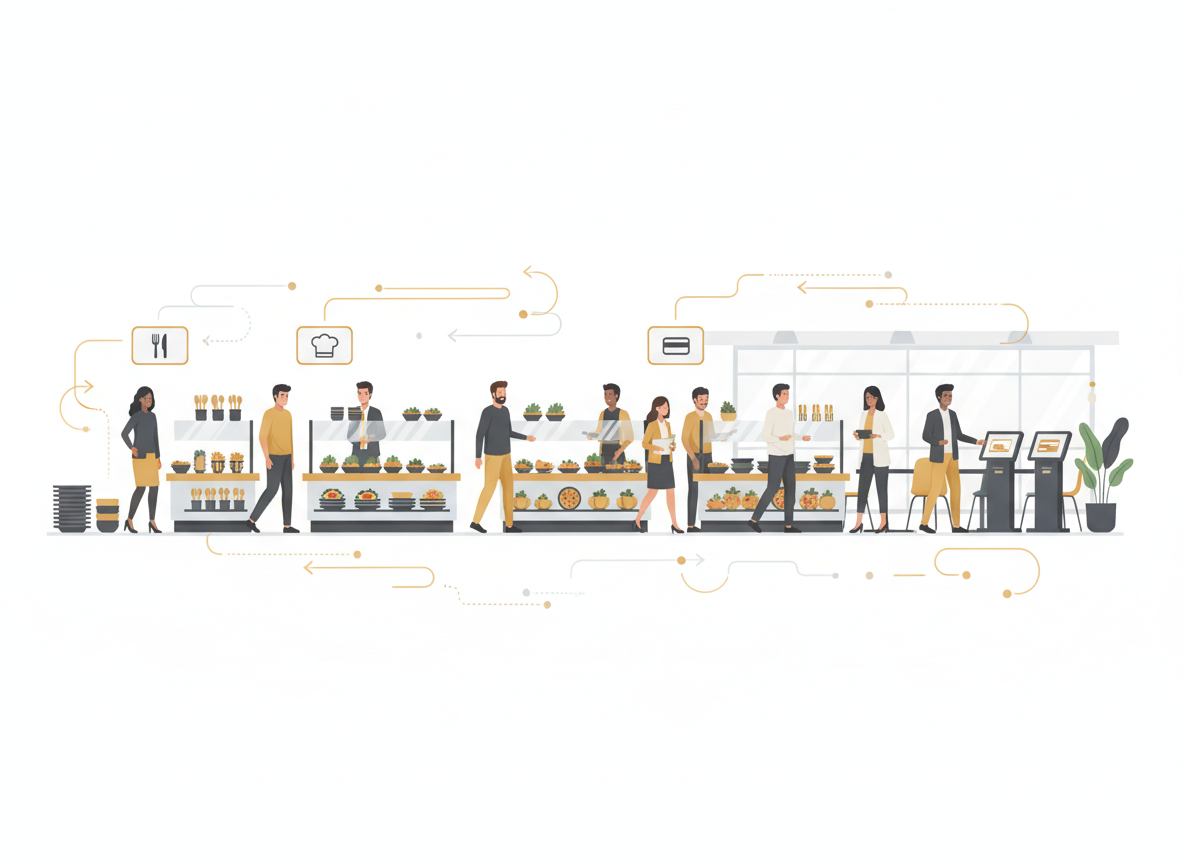
The impact of flow on the customer experience
Flow is the first and most decisive part of the self-service lunch experience—before customers even taste the food. When queues, counter stops, or payment take too long, people feel stress because lunch time is limited, and that pressure can start as early as leaving their desk. As a result, customers rush, choose the fastest queue over the best offer, and often skip extras like starters or desserts—reducing both satisfaction and average tray value. Poor flow also drives wasted labor, because teams compensate with extra staff instead of fixing the underlying design. Since flow is a connected system, improving one bottleneck can create another (for example, faster service can shift the problem to seating availability). Simulating scenarios with CaterFlow makes it possible to test changes safely, see their impact immediately, and optimize both customer experience and operational performance.
Read more